
Musculo-Skeletal Pain
Musculo-Skeletal pain assessment & diagnosis
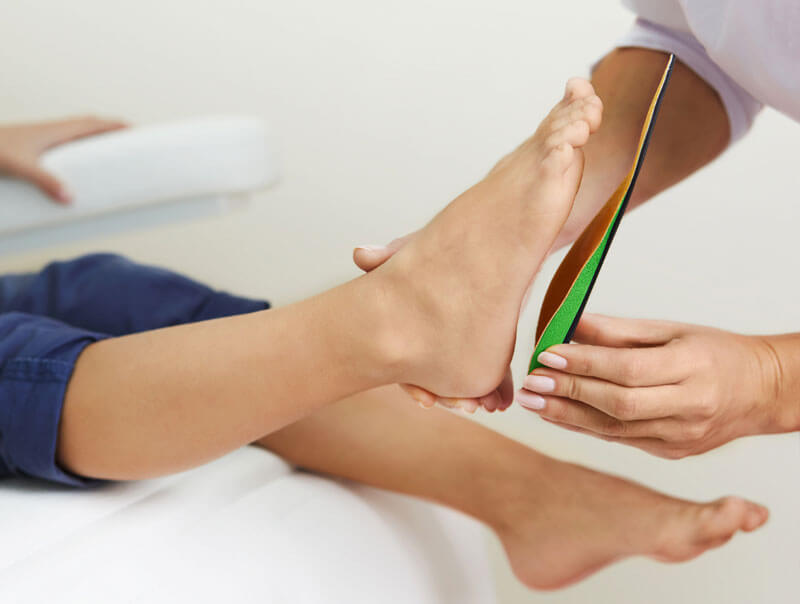
Musculo-Skeletal pain, can consist of any boney or tendinous pain ranging from the lower back, hip, knee, shin, ankle or foot. Any of the above pains should never be viewed in isolation but holistically to best treat and manage the complaint. This is why we provide a gait analysis combined with a non-weight bearing and weight bearing assessment. Allowing the Podiatrist to accurately manage and resolve any musculo-skeletal pain, such as Tendonitis or Tendonopathy, heel pain, foot, ankle, knee and hip pain or Morton’s Neuroma.
Runners
Runners are broadly the largest demographic we treat at the clinic. Runners of varying standards are assessed through gait analysis at the clinic and whether the answer is custom orthotics or conservative management and exercises we are always able to offer an accurate solution to the problem.
Golfers
Golfers are another demographic that we treat often at the clinic. Our biomechanical assessment enables us to detect those imbalances that can affect a golfers performance. Biomechanical function and golfers performance go hand in hand and therefore at the clinic we can re-establish normal function allowing for an improvement in performance.
I've had several appointments of acupuncture for my Mortons Neuroma and after years of pain it has resolved. I'm very grateful for the treatment I was given.
Mrs Archer, Sedlescombe
Tendonitis or Tendonopathy are common conditions associated with usage of the lower limbs. We have numerous tendons around the foot and ankle that can be injured by an increase in activity level or a traumatic episode. This may settle with conservative care and advice or may require custom orthotics to manage. Injury, overuse or conditions causing inflammation involving any of the bones, ligaments or tendons in the foot can cause foot pain. Arthritis is a common cause of foot pain. Injury to the nerves of the feet may result in intense burning pain, numbness or tingling.
Heel Pain is the commonest of all foot pain. It is said everyone will get heel pain at least once in their life time. Its true name is Plantar Fasciitis found to the heel and sometimes is associated with the achilles too, it can be hugely debilitating. However if accurately diagnosed, it can be managed with the use of stretches, custom orthotics, soft tissue release or acupuncture
Foot, ankle, knee and hip pain
The lower limb and feet are complex anatomical structures that may be affected by disease within the body or the lower limbs themselves.
The arches of the foot are the primary structures that control the amount of ground force transmitted into the body.
When pain due to foot, ankle, knee or hip pain interferes with your normal activities, you should seek medical advice from your Podiatrist.
The feet, ankles, knees and hips contain bones, joints, ligaments, muscle, nerve and blood vessel structures. The disease of any of these structures in the lower limb can cause resulting pain and even referred pain too.
Treatment of foot, ankle, knee or hip pain will depend on the cause of the pain and may involve, strengthening, stretching, acupuncture immobilisation, and orthotics.
First class chiropody service. Excellent & friendly. I highly recommend this clinic!
Patrick M - Yell Review - St Leonards on Sea, East Sussex
Morton’s Neuroma
Morton’s neuroma is a painful condition that affects the ball of your foot, most commonly the area between your third and fourth toes. Morton’s neuroma may feel as if you are standing on a pebble in your shoe or on a fold in your sock.
Morton’s neuroma involves a thickening of the tissue around one of the nerves leading to your toes. This can cause a sharp, burning pain in the ball of your foot. You may have stinging, burning or numbness in the affected toes.
Symptoms
Typically, there’s no outward sign of this condition, such as a lump. Instead, you may experience the following symptoms:
- A feeling as if you’re standing on a pebble in your shoe
- A burning pain in the ball of your foot that may radiate into your toes
- Tingling or numbness in your toes
Risk factors
Factors that appear to contribute to Morton’s neuroma include:
- High heels: Wearing high-heeled shoes or shoes that are tight or ill fitting can place extra pressure on your toes and the ball of your foot.
- Certain sports: Participating in high-impact athletic activities such as jogging or running may subject your feet to repetitive trauma. Sports that feature tight shoes, such as snow skiing or rock climbing, can put pressure on your toes.
- Foot deformities: People who have bunions, hammertoes, high arches or flatfeet are at higher risk of developing Morton’s neuroma.
Don’t Ignore Foot Pain …
It’s best not to ignore any foot pain that lasts longer than a few days. See your Podiatrist if you experience a burning pain in the ball of your foot that’s not improving, despite changing your footwear and modifying activities that may cause stress to your foot.
At the clinic we specialise in musculoskeletal pain and the accurate assessment and treatment of such pain. Through the Biomechanical MSc completed and coupled with the years of experience within the NHS and private sector there is no pain we cannot help to resolve.
How can acupuncture help with musculoskeletal pain or sports injuries? Find out here.